By Jill Kimmick
October 15, 2026
Crack prevention in industrial concrete slabs is essential for maintaining structural integrity and performance in commercial environments. Industrial facilities rely on durable concrete floors to support heavy machinery, forklift traffic, and material loads. Although concrete offers high compressive strength, its inherent brittleness leaves slabs susceptible to cracking under tensile stress, thermal shifts, and heavy impacts. Utilizing a reliable concrete construction supply service helps builders source advanced reinforcement materials designed to overcome these physical limitations. Modern engineered materials, such as steel fibers, provide an effective solution that enhances tensile resilience, controls micro-cracking, and extends the service life of industrial slab installations.
Analyze Concrete Cracking and Stress
Concrete slabs experience internal stress whenever external forces or environmental changes exceed the tensile capacity of the material. Tensile stress develops from dynamic loads, pressure points, and structural movement within the subgrade. When an unreinforced slab reaches its elastic limit, micro-cracks form and rapidly expand into larger structural fractures. Working with a dedicated concrete construction supply service ensures that contractors receive proper reinforcement products tailored to manage these structural stresses. Reinforcement plays an essential role in bridging internal gaps, absorbing strain, and distributing applied forces throughout the matrix before minor fractures turn into major failures.
Environmental conditions also exert tremendous influence on slab performance and durability. Temperature fluctuations cause concrete to undergo recurring cycles of expansion and contraction, creating thermal stress within the matrix. Moisture variations within the slab lead to differential shrinkage, causing surface curling and cracking along joint lines. Chemical exposure in industrial plants degrades the internal binder, accelerating surface wear and interior cracking. By partnering with an experienced concrete construction supply service, builders gain access to high-grade joint materials, vapor barriers, and reinforcement fibers that protect slabs against environmental deterioration.
Examine Steel Fibers and Technology
Steel fiber reinforcement represents a major technological advancement over standard reinforcement methods. Dispersed uniformly throughout the concrete mix, discrete steel fibers create an omnidirectional matrix that reinforces every portion of the pour. Unlike traditional rebar that sits in a single plane, these fibers offer three-dimensional support that resists tension from all directions. Sourcing materials from an established concrete construction supply service guarantees that projects receive high-tensile steel fibers manufactured to industrial standards. This network transfers internal stresses across potential crack sites, delaying crack initiation and improving slab toughness.
The design and geometry of steel fibers are engineered to maximize mechanical bonding within the concrete matrix. Fiber options feature hooked ends or deformed shapes that anchor firmly into the cured matrix, preventing fiber pullout under heavy tensile strain. As industrial requirements shift toward high-performance materials, market demand for fiber reinforcement expands across the construction industry. Global market research highlights this trajectory, noting that according to Grand View Research, the valuation of the global concrete reinforcing fiber market is projected to reach $5.22 billion by 2033. Incorporating these engineered fibers gives contractors access to material technology that strengthens concrete from within.
Mitigate Crack Formation and Expansion
The primary mechanism by which steel fibers prevent cracking is through continuous load redistribution and crack bridging. When micro-cracks begin forming at the microscopic level due to load stresses or drying shrinkage, nearby steel fibers step in as structural bridges. These steel bridges span the crack interface, transferring tensile forces directly across the opening and holding the concrete tightly together. This bridging action restricts crack width, preventing microscopic fissures from merging into wide surface cracks. Using a concrete construction supply service allows builders to select the exact fiber dosage and length needed to maximize load distribution across busy industrial slabs.
In addition to crack bridging, steel fibers improve concrete ductility and energy absorption. Unreinforced concrete fails abruptly once its maximum load capacity is reached, resulting in sudden brittle fractures. Steel fiber reinforcement transforms this brittle behavior into a ductile response, allowing the slab to absorb heavy impacts without catastrophic failure. Industrial floors subjected to equipment vibratory forces, rolling traffic, and drop impacts benefit immensely from this added strain capacity. Quality reinforcement products ensure that slabs maintain structural cohesion under grueling operating conditions.
Review Practical Applications and Projects
Industrial warehouses and logistics centers represent prime applications for steel fiber reinforced concrete slabs. These facilities endure continuous wheel loads from heavy forklifts, high-density storage racking, and frequent pallet movements. Traditional slab designs often experience joint spalling, edge breakdown, and mid-panel cracking under severe mechanical demands. Incorporating steel fiber reinforcement creates a smooth, durable floor surface that handles intense point loads and minimizes joint fatigue. Collaborating with a professional concrete construction supply service ensures that warehouse builders receive properly matched fibers alongside specialized joint fillers and vapor barriers.
Infrastructure projects, manufacturing plants, and commercial facilities also benefit from steel fiber concrete solutions. Roadway slabs, bridge decks, and cold storage facilities experience extreme temperature shifts and dynamic loading patterns that trigger severe cracking. Steel fibers disperse thermal stresses uniformly, preventing large temperature-induced cracks from forming across wide concrete spans. Specialized manufacturing operations, including burial vault fabrication facilities, utilize custom steel fiber mixes to achieve maximum structural strength in precast components. Project managers acquire precision-cut rebar, specialized fibers, and jobsite accessories suited for these concrete projects.
Compare Reinforcement Options and Systems
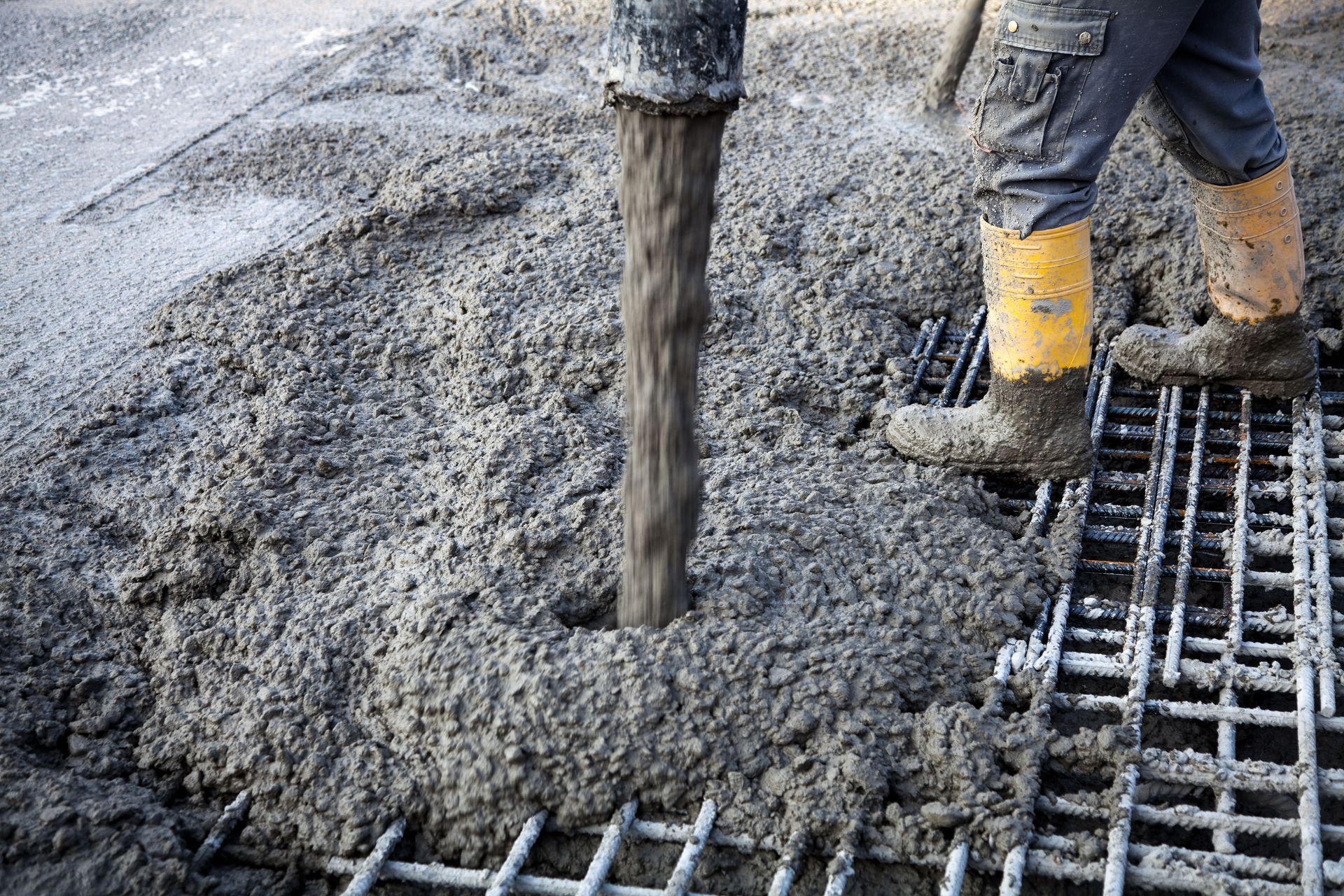
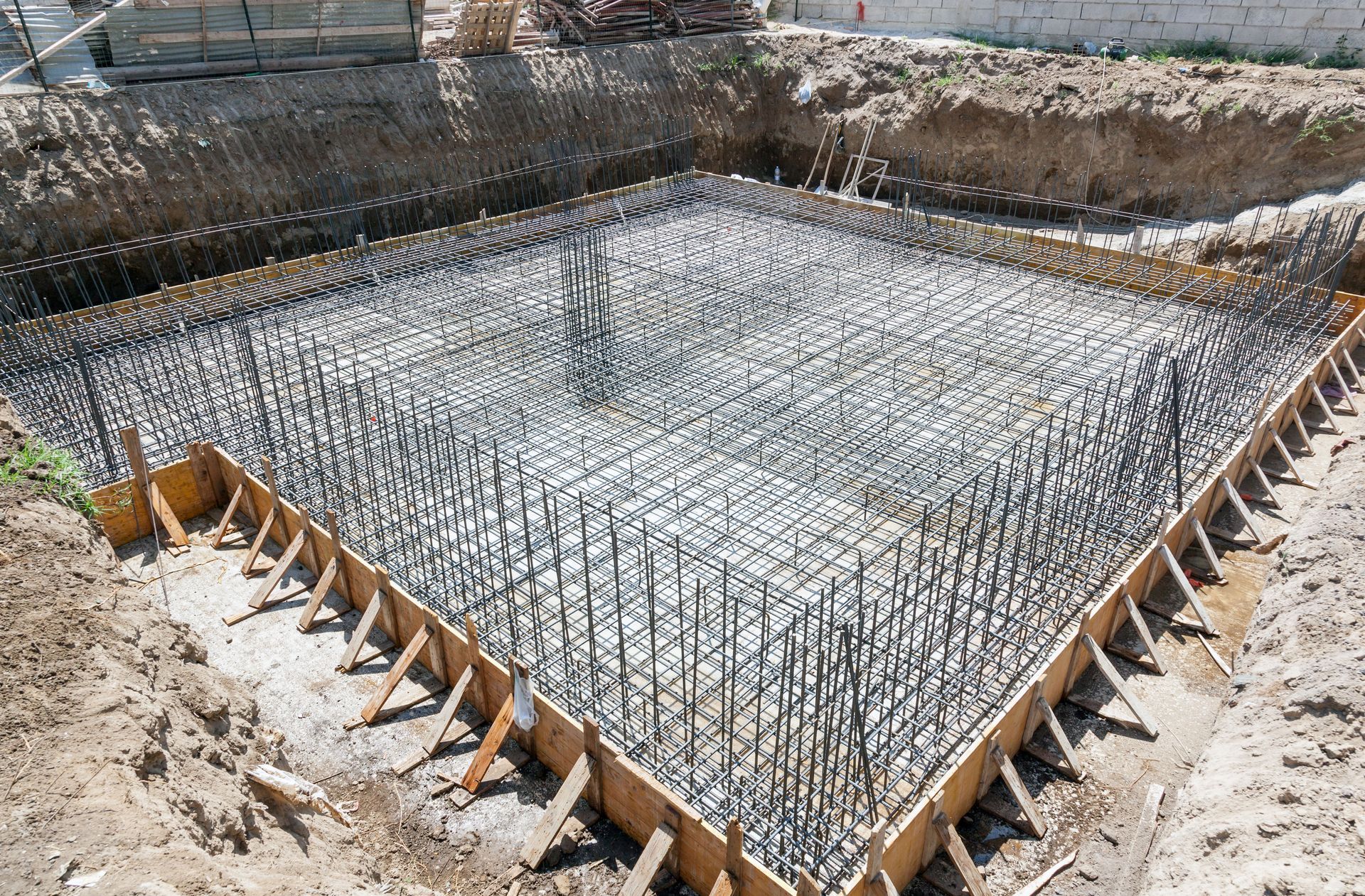
Comparing steel fibers with traditional reinforcement options highlights distinct operational advantages. Standard rebar mats and welded wire mesh provide strong two-dimensional strength, but placing them requires extensive manual labor, chair setup, and positioning. If wire mesh is stepped on or placed incorrectly during the pour, it settles at the bottom of the slab where it offers minimal crack control. Steel fibers are mixed directly into the concrete batch, guaranteeing uniform distribution throughout the full slab depth. Ordering these advanced materials reduces jobsite preparation time and eliminates common installation errors associated with physical rebar grid placement.
While alternative synthetic fibers like polypropylene or glass fibers exist, steel fibers remain the superior choice for heavy industrial slabs. Synthetic fibers perform adequately for early-age plastic shrinkage control, but they lack the high tensile strength required to bridge structural macro-cracks under severe loads. Steel fibers deliver superior flexural strength, high energy absorption, and long-term durability under heavy dynamic loads. Contracting teams rely on a dependable concrete construction supply service to source high-grade steel fibers, custom fabricated rebar, and forming accessories tailored to the exact engineering requirements of their specific jobsite.
Explore Future Innovations and Materials
Research in fiber material science continues to push the boundaries of concrete reinforcement performance. Advanced metallurgical formulations produce steel fibers with higher tensile strengths, improved corrosion resistance, and optimized aspect ratios. Engineered fiber geometries interlock effectively within low-water concrete mixes, maximizing crack resistance while maintaining workability during placement. Sourcing these innovative materials gives contractors access to advanced technology, enabling them to construct stronger, resilient industrial slabs that withstand extreme operational demands over extended timeframes.
Future construction practices prioritize sustainable manufacturing and long-term material efficiency. Modern steel fibers are frequently manufactured from recycled steel sources, lowering the environmental footprint of heavy concrete construction projects. Combining optimized steel fiber mixes with mineral admixtures creates dense, durable concrete structures requiring fewer repairs over their lifecycle. Acquiring high-grade reinforcement components, cut rebar, and custom fibers from a concrete construction supply service helps local builders deliver outstanding structural performance.
Three-dimensional steel fiber reinforcement provides an effective, highly resilient solution for preventing cracks in industrial concrete slabs. By improving tensile strength, enhancing energy absorption, and providing continuous crack bridging, steel fibers mitigate structural challenges associated with heavy loads and harsh environmental conditions. Incorporating these engineered fibers into your project guarantees long-term durability, reduced maintenance requirements, and superior floor performance. For high-grade concrete reinforcement products, precision rebar cutting, and expert jobsite materials, we invite you to partner with our team today at D&C Supply Company.